
Question: In many families now, both parents have to work. They also have children and social responsibilities. How can the parents make a living, raise a family and still have time to practice?

[on kong-an practice] Being clever isn't going to help you. You may have heard words like "spontaneous" used to describe what is needed to answer kong-ans, but that doesn't begin to get to the heart of the matter. Kong-ans are operating on a level that is far more fundamental than speech, far more fundamental than thinking.

If you have a question, ask it and don't worry about what kind of mind you're using.. If you have a question, just ask it and see how it unfolds. And don't worry about questions resolving. If a question resolves, then it's been killed, and it's not alive anymore.
But it’s in everyone’s face. Now this is in our face in a way that it’s never been before. So we have to meet that. We have to not hole up in our bunker it a way that’s about us — like those rich people flying their airplanes out to islands — that’s not the way to do it.

Don’t really think of Zen students or Zen teachers. I think of Zen practitioners. We are all practitioners, whether we practice a lot or a little. Whether as a student or a teacher, our job is to practice. For those of us who are laypeople, we will sometimes be able to practice a lot, and sometimes only a little. But we need to keep practicing. As students, that is the biggest gift we can give our sangha. As teachers, that is the bone of teaching. But how do we encourage each other?
If you have this category called helping people you can’t help anyone. It’s like if you’re a parent of a baby or a toddler and you hear them crying in the middle of the night you don’t sit there and say 'how can I help this person?'

Our minds are just insane. They're totally nuts. That’s what we do all the time. We go around making meanings, we make this good, this bad, something that I see as a lovely image of flowers and you see it as poisonous mushrooms — we’re both making something. We’re both doing that. It’s just exactly what it is.

How did Buddhism start? It started when Buddha looked around and said “Whoa! Everybody’s suffering. What’s this suffering about, how can I end this suffering?”
Nobody ever says, 'Does your cooking affect your driving?' No one ever asks that. You just do all these things in your life.
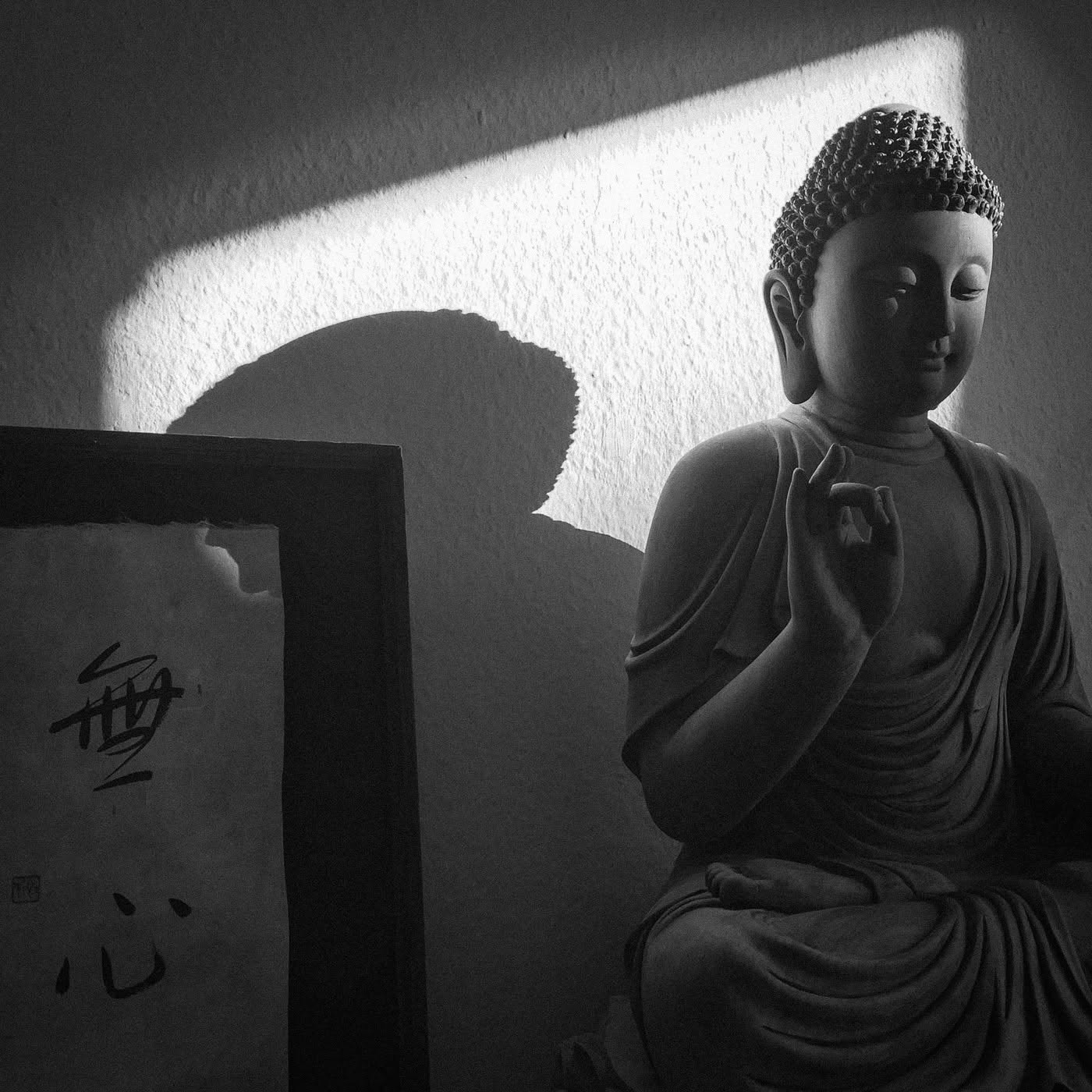
If you come to the Zen Center, nobody asks what you believe, and nobody tells you what to believe. We tell you our practice forms: how to meditate, how to chant and so on. What you believe is your own business.
What are you doing in this world? What is the direction of your life? What is the purpose of your life? Is it only for you?
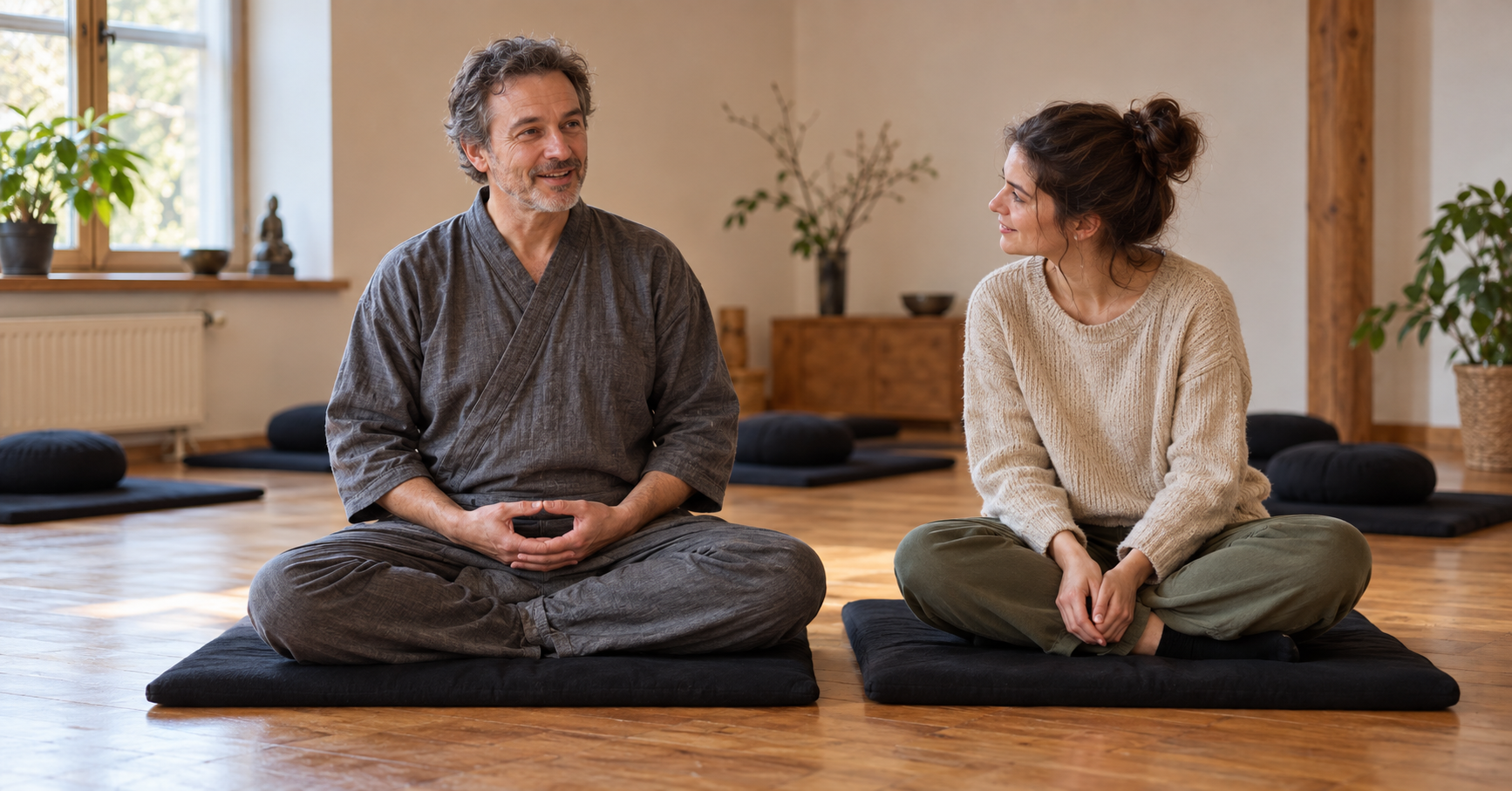
On open days, our community gives priority to welcoming newcomers and providing a thorough introduction to formal Zen practice.
That's the Buddha's complete stillness mind. When sitting, be still. When chanting, be still. When bowing, eating, talking, walking, reading or driving, only be still. This is keeping a not moving mind, which is only do it mind. We call that try mind.
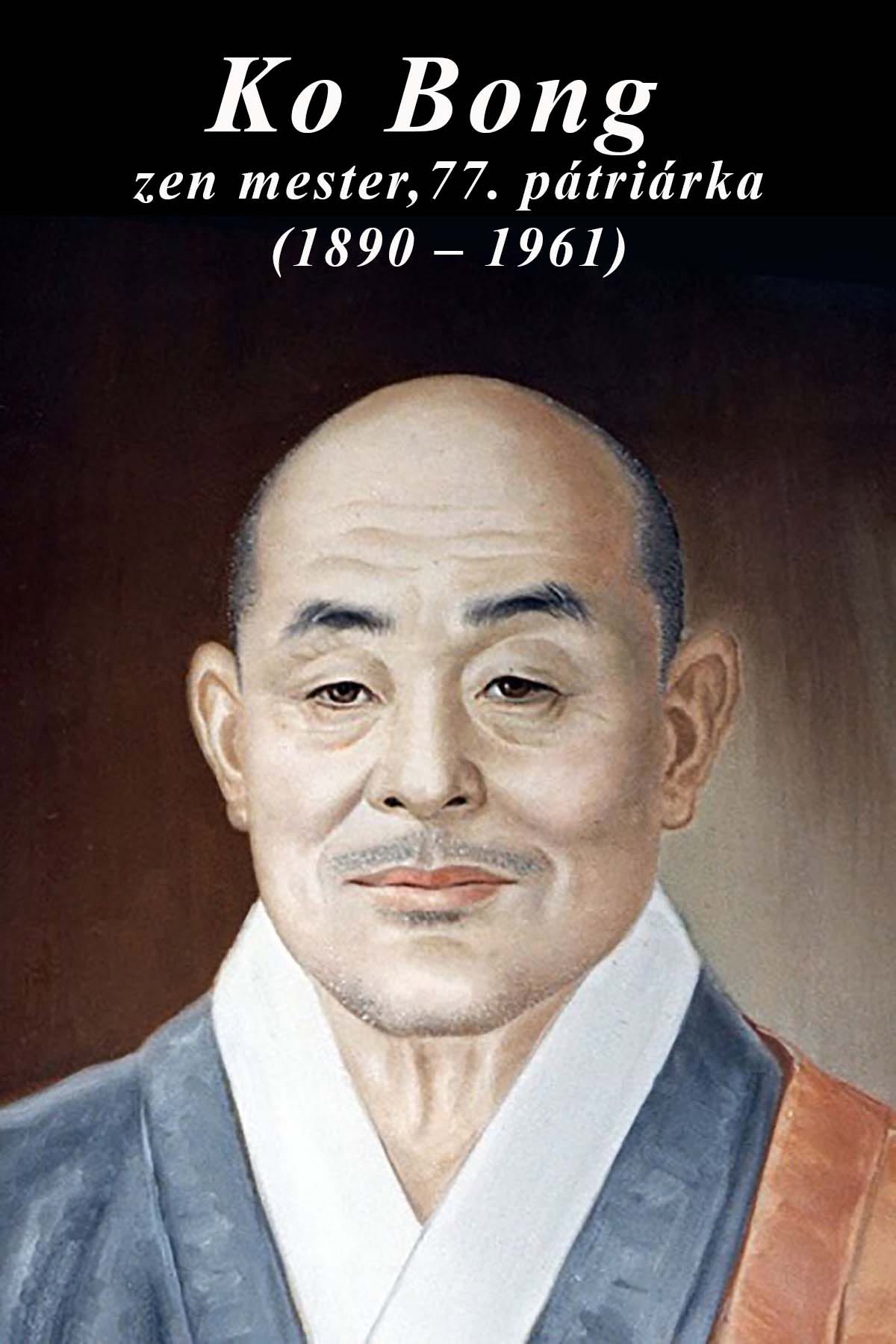
The Story of Ko Bong
77. pátriárka (1890 – 1961)